
Visit workspace
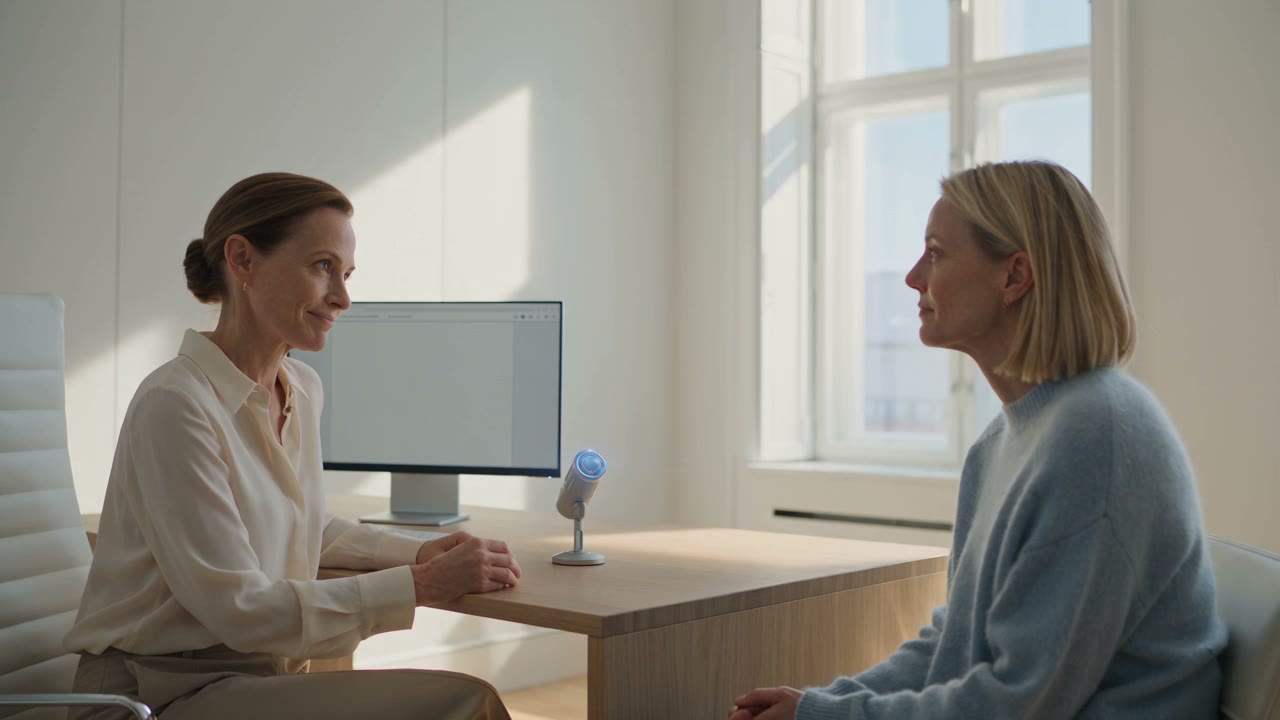
Everything for this visit sits on one screen.
Platform · Clinical work
The chart follows the patient.
Doctors and nurses see the history, write the note and code the visit in one workspace. Condor gathers and reads the patient's data, so the doctor spends the visit on the patient. AI suggests; clinicians decide.
Everything for this visit sits on one screen.
Structured visit notes can be typed during or after the consultation, or spoken.
ICD-10 coding support finds the right code from the words the doctor is already using.
The workspace prepares a prescription from the visit, with the patient's details and medication list in view.
Prescriptions come from a shared, licensed drug catalogue, not from names typed freely into a field.
AI drafts treatment plans from the visit data, for the clinician to review.
The outpatient chain in seven steps, from the appointment to billing, with the Specialty Pack sections that feed each step. Staff confirm first; then one path writes into the patient record.
Open the full diagram (opens in a new tab)No. The platform offers advisory differential suggestions, and the doctor decides. AI suggests; clinicians decide. The suggestions are there to help the doctor think through a case, alongside the history the assistants have gathered, not to replace the doctor's judgement or examination.
Condor, the Dudoxx clinical engine, plans its steps, shows them as it works and asks for approval before actions that change records. Drafted documents wait for the doctor to review and sign off. The doctor stays responsible for what the record says and what leaves the clinic.
The workspace gives ICD-10 coding support. Catalogue data is licensed per deployment, so the codes available to you come from the catalogue your clinic uses. We confirm the catalogue for your clinic during onboarding and show coding support with your own examples in the demo.
Live transcription is in the product and in use. Doctors can always type their notes. Whichever way the note is written, it lands in the structured visit note in the patient's record, ready for review.
Clinical data sits on FHIR R4, an open standard, so it keeps a widely known structure rather than a private format. That makes the data readable by other systems that speak the same standard, and it keeps your clinic from being tied to one vendor's way of storing a visit.
Book a demo and we walk through one consultation in the visit workspace.